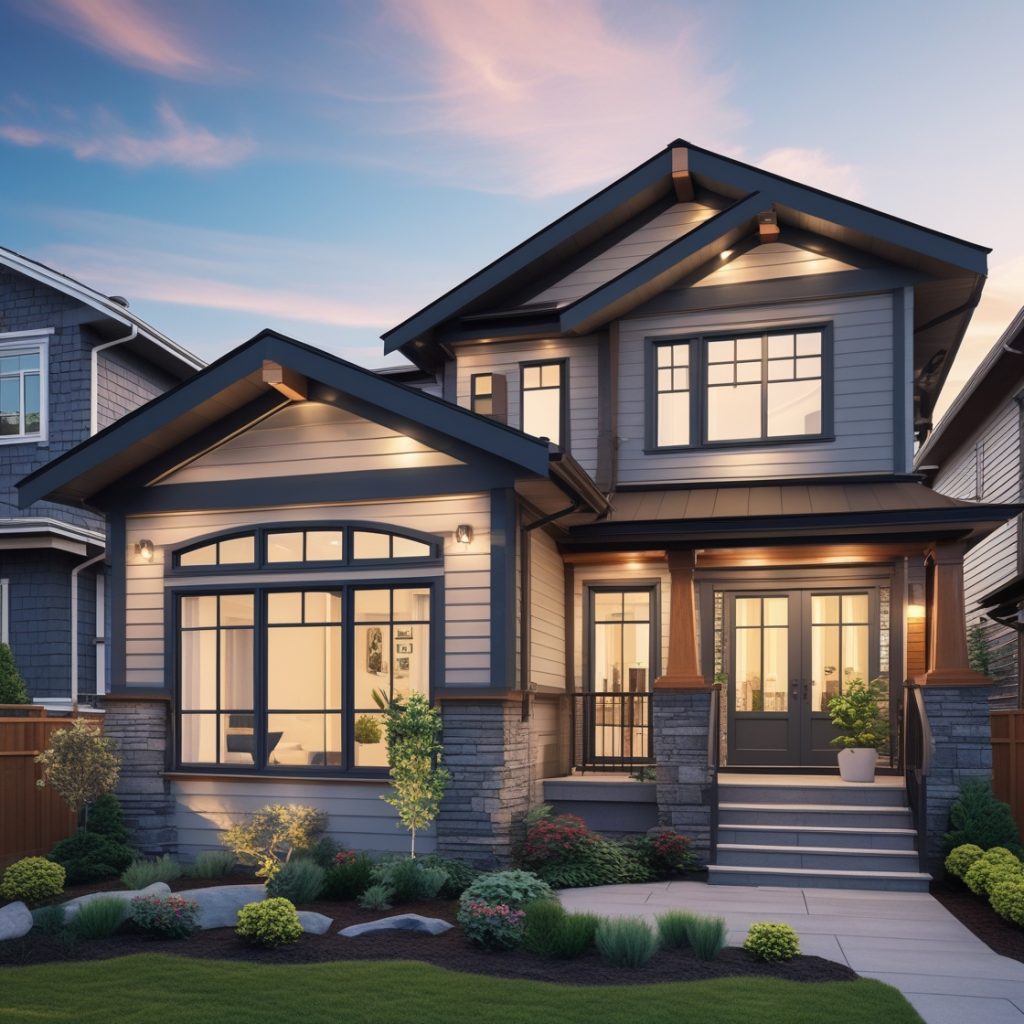
Your home’s siding is more than just its outer layer. It protects your house from weather, helps with energy efficiency, and makes your home look nice. Picking the right siding is a big choice that can affect your home’s value, how much work it needs, and how it looks. Let’s explore different types of home siding to help you make a good choice that will keep your home looking great and standing strong for a long time.
Key Takeaways
| Factor | Consideration |
| Climate Suitability | Choose siding that works well in your local weather |
| Durability & Maintenance | Think about options that last long and don’t need much care |
| Aesthetic Appeal | Pick siding that makes your home look good and increases its value |
| Cost & Energy Efficiency | Compare upfront costs with long-term energy savings |
| Professional Installation | Make sure it’s installed correctly for best performance and long life |
Why Siding Matters
Siding is important because it protects your home from rain, wind, bugs, and other things. It’s like a shield for your house. It also makes your home look nice and can increase its value. Good siding can help save money on heating and cooling by keeping your home better insulated. The U.S. Department of Energy says homeowners can save 10-25% on heating and cooling costs with energy-efficient siding. This means you could save a lot of money over time, so choosing siding isn’t just about how it looks, but also about saving money.

Factors to Consider When Choosing Siding
Climate Suitability
Different siding materials work better in different weather. For example, vinyl siding might not be good in very hot places because it can warp or fade in strong sun. It can also crack when it’s very cold. Fiber cement siding is good for places with extreme temperatures or lots of storms. It doesn’t expand or shrink much when temperatures change, which helps prevent cracks and warping. In places near the ocean, materials that can handle salt and humidity, like some types of vinyl or fiber cement, might be better. Understanding your local weather, including how hot and cold it gets, how humid it is, and what kind of storms you get, will help you choose siding that can last a long time.
Durability and Maintenance
Some siding needs more care than others, which can affect how happy you are with it and how much it costs over time. Wood siding looks nice, but you need to paint or stain it every 3-4 years to keep it looking good and protected. It can also rot, get bugs, or warp if you don’t take care of it. Vinyl and fiber cement siding don’t need much care and can last for many years. Vinyl usually just needs cleaning with soap and water sometimes, while fiber cement might need repainting every 15-20 years. Installing siding correctly is very important for any type to make sure it lasts a long time. If it’s not installed well, water can get in and damage your house over time. When thinking about how long siding will last, consider things like how well it resists impacts (important if you get hail), if it fades, and how well it can handle your local environment.
Aesthetic Appeal and Curb Value
Your home’s siding really affects how it looks and can change its value when you sell it. Some people say new siding can increase home value by 75-85%, making it one of the best things you can do to improve your home’s outside. Choose a style and color that looks good with your home’s design and your neighborhood. Think about how the siding will look in different light and how it might change over time. Some materials, like cedar shakes, look better as they get older, while others stay the same for many years. The texture of the siding also matters for how it looks – smooth siding looks more modern, while textured siding can add character to your home. Remember that the color of your siding can also affect your home’s energy use; lighter colors reflect more heat, which can be good in warmer places.

Cost and Budget Considerations
Siding costs can be very different depending on what it’s made of and how good it is. It’s important to think about not just how much it costs to install, but also how much it will cost to take care of and how much money it might save on energy bills. Here’s a more detailed look at average costs per square foot, with extra information about each material:
– Vinyl: $3.50 – $5.50 – Cheapest option – Doesn’t cost much to take care of – Some types have insulation, but cost more – Fiber Cement: $4.00 – $8.00 – Medium cost – Lasts a long time, which can make up for higher cost – Doesn’t cost much to take care of over time – Wood: $7.50 – $14.00 – Costs more at first – Needs regular care, which costs more over time – Naturally insulates, which can save energy – Brick: $11.50 – $33.00 – Costs a lot at first – Very durable and doesn’t need much care – Insulates well, saving energy – Stone: $24.00 – $50.00 – Most expensive option – Needs very little care and lasts a very long time – Insulates very well, saving a lot of energy
Remember, these are just material costs. Installing it, removing old siding, and other things will add to the total cost. For example, installation can cost $2 to $5 per square foot for vinyl siding, and up to $10 or more for more complicated materials like stone or brick. Also, think about how much you might save on energy bills and how much your home’s value might increase when you’re figuring out the total cost of your siding project. Some materials, like insulated vinyl or fiber cement, might cost more at first but can save a lot of energy over time, which could make up for the higher cost.
Energy Efficiency
Some siding materials insulate better than others, which can save a lot of energy over time. Insulated vinyl siding, for example, can create a barrier that keeps heat in or out, potentially saving up to 20% on energy costs. This type of siding has a layer of foam insulation on the back, which fills the gaps between the siding and the house, reducing heat transfer. Fiber cement siding also protects well against temperature changes, helping keep your home’s temperature steady. When thinking about energy efficiency, look at the R-value of the siding material, which measures how well it insulates. Higher R-values mean better insulation. Some newer siding materials also reflect solar heat, which can be especially helpful in warmer places. Also, installing siding properly and sealing gaps and joints can really improve how energy-efficient any siding material is.
Common Types of Siding
Vinyl Siding
Vinyl siding is the most popular choice in the United States, and for good reason. It’s affordable, easy to take care of, and comes in many colors and styles. Vinyl is also relatively easy to install, which can help keep labor costs down. Modern vinyl siding is much better than it used to be, with improved durability and looks. Some high-end vinyl options can even look like wood or stone, offering a nicer appearance for less money. Vinyl siding is made from PVC (polyvinyl chloride) resin, making it very resistant to moisture and insect damage. It’s available in horizontal and vertical styles, as well as shingle-like options, allowing for many design choices.
Pros:
- Affordable, often the least expensive siding option
- Low maintenance, only needing occasional cleaning
- Wide range of colors and styles to match different house designs
- Resistant to insects and rot, lasting a long time
- Easy to install, which can reduce labor costs
- Available with insulation for better energy efficiency
Cons:
- Can fade over time, especially darker colors in sunny areas
- May crack in very cold weather or warp in intense heat
- Not as durable as some other options, can dent or break if hit hard
- Some homeowners associations may not allow it because of how it looks
- Not biodegradable, which can be a problem for the environment when it’s thrown away

Fiber Cement Siding
Fiber cement siding, like Hardie Board, is becoming more popular because it’s durable and versatile. It’s made from a mix of cement, sand, and cellulose fibers, resulting in a product that’s very strong and resistant to many common siding problems. This material can look like wood without the maintenance issues. Fiber cement can be made to look like various textures, including wood grain, smooth, or stucco-like finishes. It also comes in many colors, either pre-painted or ready to be painted after installation. One of the main advantages of fiber cement is that it doesn’t expand or contract much with temperature changes, which helps prevent cracking and warping over time.
Pros:
- Very durable, can last 50 years or more
- Fire-resistant, adding extra safety
- Can look like wood, stone, or brick for less money
- Low maintenance, only needing occasional cleaning and repainting every 15-20 years
- Resistant to rot, insects, and moisture damage
- Environmentally friendly, made from sustainable materials
Cons:
- More expensive than vinyl, but often more cost-effective in the long run
- Heavier than vinyl, which can make installation harder and maybe more expensive
- May need repainting over time to keep looking good
- Installation needs special tools and skills, which might increase labor costs
- Can break if not handled carefully during installation
Wood Siding
Wood siding gives a classic, natural look that many homeowners love. It comes in different styles, like clapboard, shingles, and board-and-batten. While beautiful, wood siding needs more care than other options. The type of wood used can really affect how long it lasts and how it looks. Cedar and redwood are popular because they naturally resist decay and insects, while pine is cheaper but might need more frequent care. Wood siding can be painted or stained any color, allowing for lots of customization. It’s also a renewable resource, making it an environmentally friendly choice when sourced responsibly.
Pros:
- Natural, timeless look that makes homes look nice
- Can be painted or stained any color, offering unlimited design possibilities
- Environmentally friendly and biodegradable
- Easy to repair or replace individual boards or sections
- Provides good insulation, helping with energy efficiency
- Can increase home value because it looks premium
Cons:
- Needs regular care, including painting or staining every 4-6 years
- Can rot, get insects, or catch fire if not properly treated and maintained
- Can be expensive, especially for high-quality woods like cedar or redwood
- Might warp, split, or crack over time, especially in areas with big temperature changes
- Needs more frequent checks to catch and fix problems early
Metal Siding
Metal siding, usually made from aluminum or steel, is known for lasting a long time and looking modern. It’s a great choice for homeowners who want siding that lasts a long time and doesn’t need much care. Aluminum siding is light and doesn’t rust, making it good for coastal areas. Steel siding is stronger and resists impacts better, making it good for areas with severe weather. Modern metal siding comes in many styles and finishes, including some that look like wood grain or stone textures. Some metal siding options have baked-on enamel finishes that can last for decades without fading or peeling.
Pros:
- Very durable, can last 40-70 years
- Low maintenance, usually only needing occasional cleaning
- Fire-resistant, adding extra safety
- Can be recycled when it’s old, making it environmentally friendly
- Resistant to insects and rot
- Available in many colors and styles, including some that look like wood
Cons:
- Can dent fairly easily, especially aluminum siding
- Might be noisy during rain or hail, though good installation can help with this
- Fewer color options compared to other materials, especially for steel siding
- Can be more expensive than vinyl, but often more cost-effective in the long run
- Might develop a chalky surface over time, called oxidation
How to Choose the Right Siding for Your Home
Match Siding with Your Home’s Architecture
Think about your home’s style when choosing siding. For example, wood or fiber cement siding might look better on a craftsman-style home, while sleek metal siding could look good on a modern design. Choosing the right color is also important for making your home look good. Traditional homes often look best with classic colors like white, gray, or earth tones, while modern designs might look good with bolder colors. Think about other parts of your home’s exterior, like the roof, trim, and landscaping, to make sure everything looks good together. It’s also good to think about how your choice will fit in with your neighborhood – you want your home to stand out, but not clash with nearby houses.
Consider Local Building Codes and HOA Regulations
Before making a final decision, check your local building codes and homeowners association (HOA) rules, if you have them. Some areas have rules about what siding materials or colors you can use to keep the neighborhood looking consistent. Building codes might also have requirements for fire resistance or energy efficiency, especially in areas that get wildfires or extreme weather. In historic areas, there might be extra rules to keep the area’s character. It’s important to look into these rules early to avoid expensive changes later. Some cities offer incentives for using certain energy-efficient or sustainable siding materials, which could influence your decision and maybe save you money.
Balance Cost, Durability, and Aesthetics
Finding the right siding often means balancing these three things. While it might be tempting to choose the cheapest option, investing in better-quality siding can save you money over time through increased durability and energy efficiency. Think about the total cost of owning the siding, including initial installation, maintenance needs, and potential energy savings. For example, while wood siding might cost more upfront and need more maintenance, its classic look and potential to increase home value might make it worth it for some homeowners. On the other hand, vinyl siding’s low cost and minimal maintenance might be more appealing to those with a tighter budget or those who prefer something that needs less care. Remember that the most expensive option isn’t always the best for what you need, and the cheapest option might end up costing more over time due to frequent repairs or replacements.
The Importance of Professional Installation
While some handy homeowners might want to install siding themselves, professional installation is often worth the money. Proper installation is crucial for making sure your siding works as it should, protecting your home and keeping it looking good for years. Professional installers know how to handle challenges like uneven walls, proper insulation, and correct flashing around windows and doors. They also understand the importance of allowing for proper expansion and contraction, which is crucial for preventing issues like buckling or gaps in the siding.
Professional siding installers have the experience and tools needed to handle any problems that might come up during installation. They can also make sure your siding is installed in a way that maximizes its energy efficiency and durability. This includes properly sealing joints and seams to prevent water from getting in, which is a common cause of siding failure and damage to the structure underneath. Professionals can also advise on additional elements like house wrap or insulation that can make your siding work better. Also, many manufacturers require professional installation to keep the warranty valid, providing extra protection for your investment.


Maintenance Tips for Long-Lasting Siding
No matter what type of siding you choose, proper care is key to making sure it lasts long and works well. Regular maintenance can prevent small problems from becoming big ones, potentially saving you thousands in repairs or early replacement. Here are some general maintenance tips, along with specific advice for different siding materials:
- Clean your siding yearly with a soft-bristle brush or a pressure washer on low setting. For vinyl and fiber cement, a mix of water and mild soap works well. For wood siding, use a cleaner made for wood to prevent damage.
- Check your siding regularly for signs of damage, like cracks, warping, or loose panels. Pay extra attention to areas around windows, doors, and corners where water is more likely to get in.
- Fix any problems quickly to prevent more damage. Small repairs, if caught early, can prevent the need for bigger, more expensive repairs later.
- Keep trees and bushes trimmed away from your siding to prevent moisture buildup and potential damage. Branches hanging over can scratch and damage siding when it’s windy.
- For wood siding, repaint or restain every 4-6 years, or as needed. Look for signs of peeling or fading paint, which can leave the wood exposed to moisture.
- Check caulking around windows, doors, and other openings yearly, and replace as needed to prevent water from getting in.
- For metal siding, watch for signs of oxidation or rust, especially near the ocean. Fix any issues quickly to prevent spreading.
- In humid areas, consider using a cleaner that prevents mildew during your yearly cleaning to prevent mold and mildew growth.
Conclusion
Choosing the right siding for your home is a big decision that affects how your home looks, how energy efficient it is, and how much care it needs over time. By thinking about things like climate suitability, durability, aesthetic appeal, cost, and energy efficiency, you can make a good choice that will keep your home looking great and working well for years to come. Remember that each type of siding has its own good points and challenges, and what works best for one home may not be ideal for another. It’s important to think about your specific needs, local climate, budget, and long-term goals when making your decision.
Remember, while cost is important, it’s often worth investing in better materials and professional installation to get the best long-term results. Spending more at first on durable, high-quality siding can pay off through lower maintenance costs, better energy efficiency, and increased home value. Whether you choose affordable and low-maintenance vinyl, durable fiber cement, or classic wood, the right siding can transform your home and protect it from the weather for a long time. Consider getting quotes from multiple contractors and comparing different siding options to find the best balance of cost, performance, and looks for your specific situation.
If you’re in the Vancouver area and thinking about new siding, make sure to talk to local experts who understand the specific climate challenges and building codes in your region. Vancouver’s unique climate, with its mix of rain, mild temperatures, and occasional snow, requires careful thought when choosing siding materials. Local professionals can provide valuable insights into which materials work best in the area and can help you understand any local regulations or building codes. With the right information and professional guidance, you can choose siding that not only looks great but also stands up to the test of time and weather, ensuring your home remains beautiful and well-protected for years to come.
Do not include
________________________________________________________________________
instafest.us/ – Sidra- Feb. 25, 2025