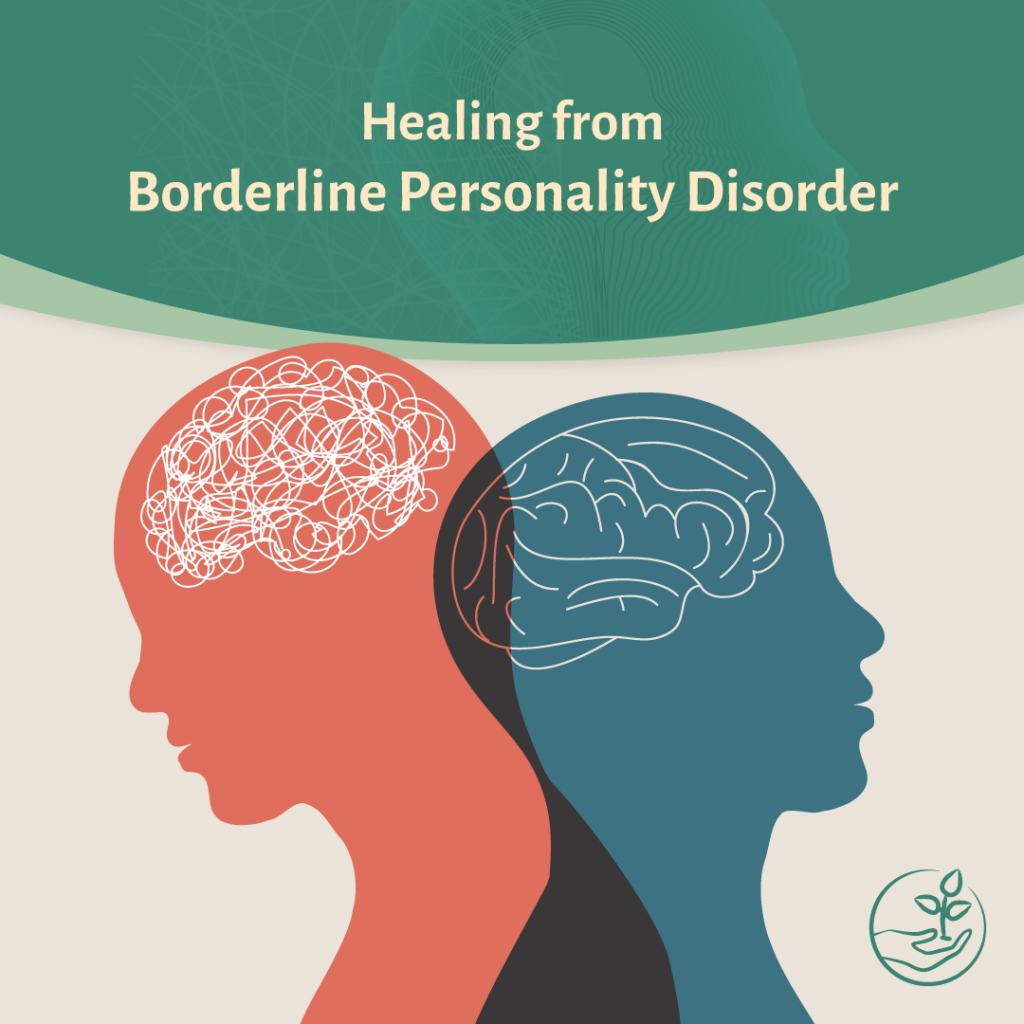
Borderline Personality Disorder (BPD) is a complex mental health condition that affects the way a person thinks, feels, and interacts with others. One of the most well-known BPD symptoms is splitting—a psychological defense mechanism where individuals see things in extremes. This means they might idealize someone one moment and completely devalue them the next. If you or someone you know struggles with BPD, understanding splitting can help in managing relationships and emotions effectively. Let’s dive deep into what splitting is, why it happens, and how to address it.
What is Splitting in BPD?
Splitting is a cognitive distortion that causes black-and-white thinking. For someone with BPD, people, situations, or even themselves are either all good or all bad—there’s no in-between. This can lead to intense emotional swings and unstable relationships.
For example, a person with BPD might feel immense admiration for a friend, believing they are perfect. However, a minor disagreement can suddenly shift this perception, making the friend seem entirely unreliable or malicious.
Why Does Splitting Happen?
Splitting stems from deep-seated fears of abandonment and emotional instability, which are core BPD symptoms. It often develops as a coping mechanism due to past trauma, particularly in early childhood experiences where emotions were not validated or managed properly. This black-and-white thinking is the brain’s way of protecting itself from perceived emotional threats.
How Splitting Affects Relationships
Romantic Relationships: Partners may feel like they are on an emotional rollercoaster. One day, they are cherished and adored; the next, they are pushed away.
Friendships: Someone with BPD may idealize a friend at first, only to abruptly cut them off over a minor conflict.
Family Dynamics: Parents and siblings may struggle with sudden mood shifts, making family interactions unpredictable.
Workplace Environment: Splitting can lead to conflicts with colleagues or bosses, making it difficult to maintain a stable job.
Signs You’re Experiencing Splitting
If you have BPD, you might notice:
Rapidly changing emotions towards someone
Feeling intensely betrayed over small misunderstandings
Difficulty trusting others
A pattern of unstable relationships
Switching between extreme love and hatred for yourself
How to Address Splitting
Understanding and addressing splitting is essential for emotional well-being and maintaining healthy relationships. Here are some strategies:
1. Practice Emotional Awareness
Pay attention to when you start seeing people in extremes. Ask yourself:
Am I overreacting?
Is there a middle ground?
Has this person really changed, or am I viewing them differently due to my emotions?
2. Develop Emotional Regulation Skills
Since emotional instability is a key BPD symptom, practicing mindfulness and distress tolerance techniques can help. Deep breathing, journaling, and guided meditation can create a pause before reacting impulsively.
3. Challenge Your Thoughts
Cognitive Behavioral Therapy (CBT) techniques help challenge black-and-white thinking. Try to:
Write down both the positive and negative aspects of a situation.
Consider alternative perspectives before making judgments.
Remind yourself that people are a mix of good and bad traits.
4. Communicate Openly
Instead of acting on impulsive emotions, express your concerns in a calm and rational way. Saying, “I feel hurt when this happens,” rather than “You are the worst person ever,” helps prevent unnecessary conflict.
5. Seek Professional Help
Therapies like Dialectical Behavior Therapy (DBT) are specifically designed for BPD treatment. DBT helps individuals accept their emotions while learning to manage them effectively.
6. Build a Support System
Surround yourself with people who understand BPD and splitting behaviors. Support groups, online communities, and mental health professionals can offer guidance and validation.
FAQs About BPD Splitting
1. Is splitting the same as mood swings? No, splitting is more about how a person perceives people or situations rather than experiencing sudden emotional changes. However, mood swings can occur alongside splitting.
2. Can someone with BPD stop splitting? With therapy, self-awareness, and emotional regulation strategies, it is possible to manage splitting and reduce its impact on daily life.
3. How can loved ones support someone who experiences splitting?
Be patient and don’t take sudden emotional shifts personally.
Encourage therapy and self-reflection.
Maintain open and honest communication without reacting emotionally.
4. Is splitting a permanent symptom of BPD? Not necessarily. Many individuals with BPD learn to manage splitting effectively through therapy and coping strategies.
Final Thoughts
Splitting can make relationships and emotions feel unpredictable, but understanding its root causes and learning to manage it can lead to a more balanced life. If you recognize these patterns in yourself or someone close to you, seeking help is a crucial step toward healing. Therapy, self-awareness, and support from loved ones can make a significant difference in managing BPD symptoms effectively. If you found this article helpful, consider sharing it with others who might need it. Awareness and understanding can pave the way for a healthier mindset and better relationships!