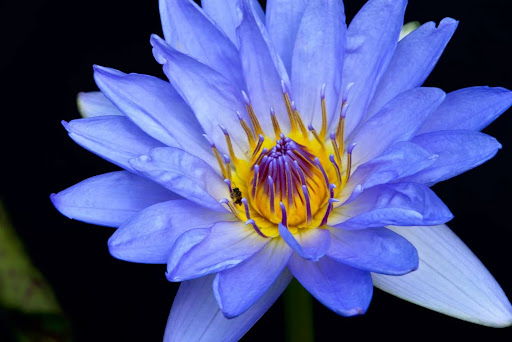
For centuries, the Egyptian blue lotus tea has captivated civilizations with its mysterious charm, health benefits, and deep cultural roots. Known as Nymphaea caerulea, this exotic flower held sacred status in ancient Egyptian rituals, symbolizing rebirth, relaxation, and spiritual awakening. Today, it is experiencing a modern renaissance, appreciated not only for its rich history but also for its calming and euphoric effects.
Historical Significance of Blue Lotus
The blue lotus was not just admired for its beauty; it was an integral part of daily and ceremonial life in ancient Egypt. Often depicted in tombs, papyrus scrolls, and temple art, it was associated with the sun god Ra and the afterlife. Pharaohs and priests used the plant in religious rites and medicinal brews, believing it connected them to the divine.
Modern archaeological findings show that blue lotus was soaked in wine or brewed as tea, both for spiritual elevation and to relieve pain and stress. The resurgence of interest in this historical herb speaks to a timeless appeal that blends mysticism with wellness.
How Egyptian Blue Lotus Tea is Made
Creating authentic Egyptian blue lotus tea begins with carefully harvesting the blue lotus flowers at the peak of bloom. These flowers are then naturally sun-dried to preserve their active compounds—primarily aporphine and nuciferine, alkaloids believed to promote a sense of calm and euphoria.
To prepare the tea, dried petals are steeped in hot water for 5–10 minutes. The result is a delicate, floral infusion with subtle earthy notes and a calming aroma. Some enthusiasts prefer brewing the petals with honey or lemon to enhance the flavor and therapeutic effect.
Health Benefits of Blue Lotus Tea
While more scientific studies are ongoing, anecdotal evidence and traditional use suggest a range of benefits:
- Stress and Anxiety Relief: Blue lotus is known for its relaxing, mildly sedative properties, helping to ease the mind and body.
- Enhanced Sleep Quality: Its calming effects may assist in improving sleep patterns for those with insomnia.
- Spiritual and Meditative Aid: Often used in meditation practices, blue lotus promotes clarity and mindfulness.
- Aphrodisiac Qualities: Historically celebrated for its ability to enhance intimacy and emotional connection.
These effects have made blue lotus tea a favorite among those seeking natural remedies for mental and emotional well-being.
Choosing the Right Source for Blue Lotus
With its rise in popularity, quality sourcing is more important than ever. Authenticity matters, especially for a product with such deep historical roots. Look for organically grown and ethically harvested petals, free from additives or chemicals. Reliable vendors often provide transparency about origin and production methods.
One such reputable provider is blue lotus, a dedicated platform offering premium-quality lotus products. Their offerings maintain the purity and traditional essence of the sacred flower, ensuring an authentic experience with every sip.
Final Words
Egyptian blue lotus tea is more than just a beverage—it’s a bridge between ancient wisdom and modern wellness. Whether you’re sipping it for relaxation, spiritual practice, or simply to enjoy a piece of ancient tradition, this floral infusion holds a timeless allure.
If you’re curious to explore the calming world of herbal teas and step into a tradition that dates back millennia, Egyptian blue lotus tea is an enchanting place to begin.