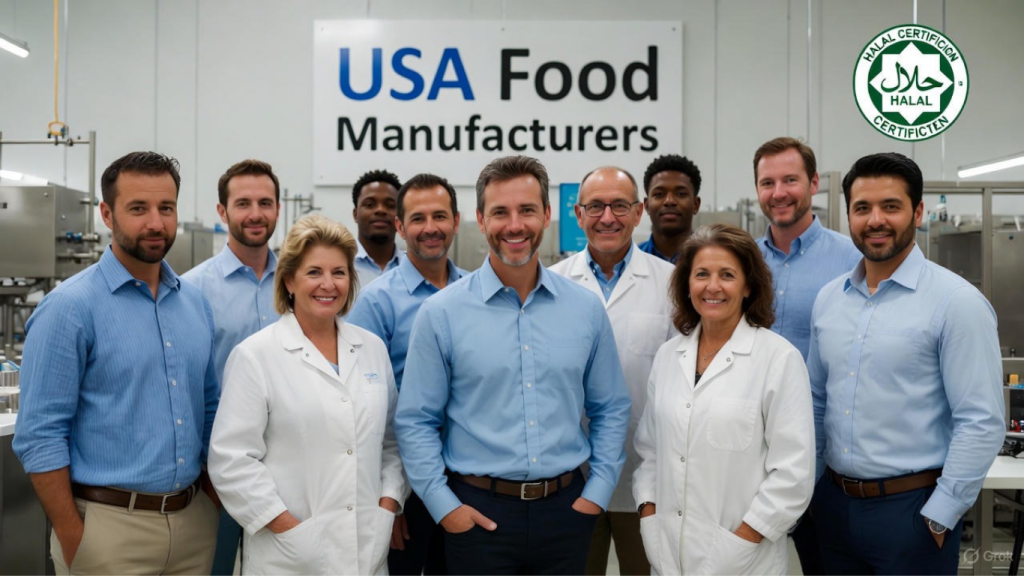
In an increasingly globalized marketplace, food manufacturers and exporters in the USA are constantly seeking avenues to expand their reach and tap into new consumer bases. One such avenue, gaining significant traction, is Halal Certification. Far from being a niche requirement, Halal certification has evolved into a powerful business driver, opening doors to lucrative markets and fostering trust among a rapidly growing segment of the world’s population.
Understanding Halal Certification: More Than Just a Religious Seal
At its core, Halal certification signifies that a product adheres to Islamic dietary laws, which govern everything from ingredient sourcing and processing to manufacturing and packaging. While rooted in religious principles, the implications of Halal certification extend far beyond faith. It represents a commitment to quality, hygiene, and ethical practices that resonate with a much broader audience, including health-conscious consumers and those seeking transparent food production.
For USA food manufacturers, obtaining a halal food certificate isn’t merely about compliance; it’s about strategic market positioning. It’s a testament to a rigorous standard that assures consumers of purity and integrity in their food choices.
The Economic Imperative: Why Halal is Big Business
The global Halal food market is a behemoth, projected to reach trillions of dollars in the coming years. Muslims constitute a significant portion of the world’s population, and their demand for Halal-certified products is unwavering. For USA exporters, this translates into a colossal opportunity to access markets in the Middle East, North Africa, Southeast Asia, and even within the growing Muslim communities in Europe and North America.
Without Halal certification, entry into many of these markets is simply impossible. Countries with predominantly Muslim populations often mandate Halal compliance for imported food products, making it a prerequisite for trade. Thus, for any USA food manufacturer with global aspirations, engaging with Halal Certification services in USA becomes a strategic imperative.
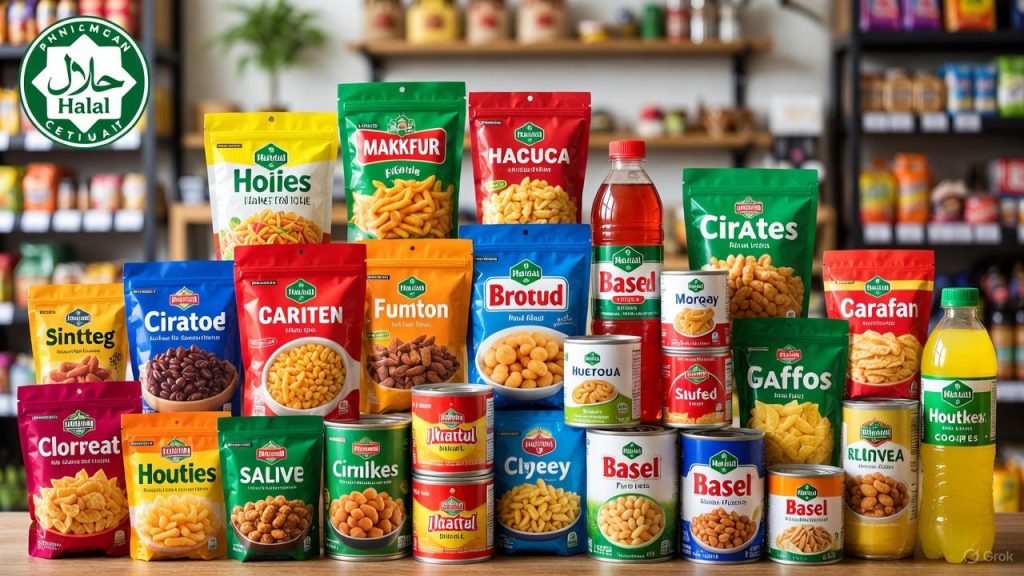
Benefits Beyond Market Access
While market access is a primary driver, the benefits of Halal certification for USA food manufacturers and exporters are multi-faceted:
- Enhanced Brand Reputation and Trust: In an era of heightened consumer awareness, brands that demonstrate a commitment to ethical and quality standards stand out. Halal certification enhances a brand’s image, signaling transparency, quality, and a respect for diverse consumer needs. This builds significant trust, not just among Muslim consumers but also with a wider demographic that values similar attributes.
- Competitive Advantage: In a crowded marketplace, any differentiator can provide a significant edge. Halal certification acts as a powerful competitive advantage, setting certified products apart from uncertified ones. This is particularly true when competing for tenders or shelf space in international markets where Halal is a key purchasing criterion.
- Improved Supply Chain Management: The stringent requirements of Halal certification often necessitate a thorough review and optimization of the entire supply chain. This process can lead to improved operational efficiencies, better quality control, and a more robust and transparent manufacturing process overall.
- Attracting a Diverse Talent Pool: Companies that embrace Halal principles often foster a more inclusive work environment, which can attract a diverse range of talent, including individuals from Muslim backgrounds.
- Innovation and Product Development: The need to adhere to Halal guidelines can sometimes spur innovation in product development, leading to new formulations or sourcing strategies that might also appeal to other consumer segments. For instance, developing a halal food certification for a specific product might lead to the discovery of new plant-based ingredients that also cater to vegetarian and vegan consumers.
The Process of Obtaining Halal Certification in the USA
Navigating the Halal certification process might seem daunting, but with the right Halal Certification Agency, it can be a smooth and rewarding endeavor. The process typically involves:
- Application and Documentation: Submitting a detailed application outlining ingredients, suppliers, manufacturing processes, and quality control measures.
- Ingredient Verification: Ensuring all ingredients, including additives and processing aids, are Halal compliant. This often requires working closely with suppliers.
- On-site Audit: An audit of the manufacturing facility by halal certifiers to ensure adherence to Halal standards regarding segregation, sanitation, equipment, and production lines.
- Certification Issuance: Upon successful completion of the audit and verification, the halal certificate for food products is issued.
- Ongoing Compliance: Regular audits and checks are required to maintain certification and ensure continued adherence to Halal standards.
For a halal certification for restaurant, the process would similarly involve verifying ingredients, preparation methods, kitchen cleanliness, and ensuring no cross-contamination with non-Halal items.
Choosing the Right Halal Certification Providers
The key to a successful Halal certification journey lies in selecting reputable and recognized Halal Certification providers. It’s crucial to choose an agency that has international recognition and a deep understanding of both Islamic dietary laws and the nuances of the food industry. They should be able to guide manufacturers through every step of the process, ensuring compliance and maximizing the benefits of certification.
The Future of Halal in the USA Food Industry
The trajectory of the Halal food market indicates continued growth and increasing importance. As global trade barriers diminish and consumer preferences evolve, the strategic value of Halal certification will only amplify for USA food manufacturers and exporters. It represents not just an adherence to religious principles but a smart business decision that unlocks new markets, strengthens brand identity, and fosters a reputation for quality and integrity.
For comprehensive information and reliable guidance in this dynamic sector, manufacturers and exporters can turn to experts. Halal Watch World offers valuable insights and resources, helping businesses navigate the complexities of Halal standards and connect with trusted certification bodies. Embracing Halal certification is no longer optional for those seeking to thrive in the global food arena; it’s an essential ingredient for success.