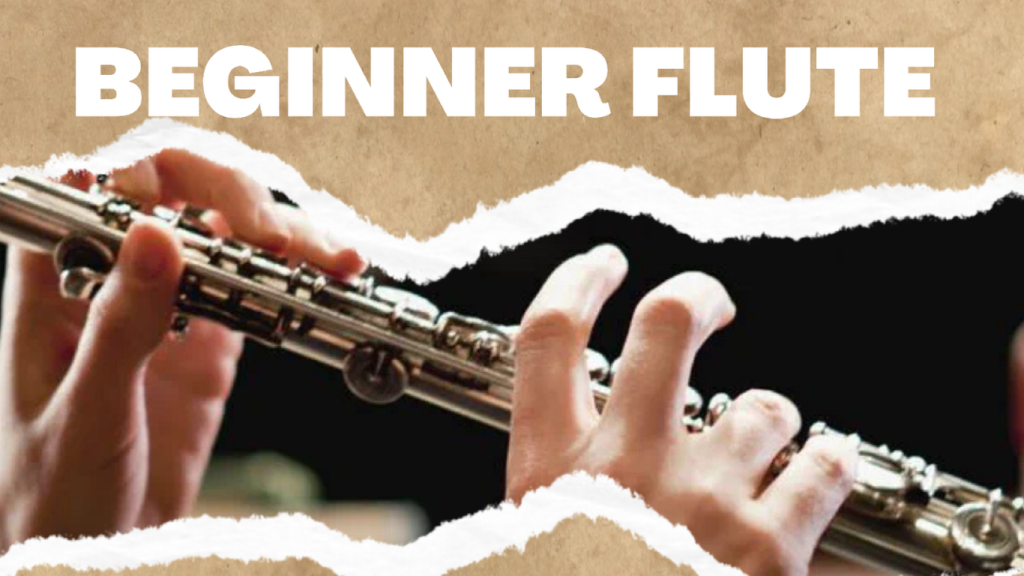
The flute is one of the most rewarding instruments a beginner can pick up, as it is lightweight, versatile, and capable of producing breathtaking sound. Besides, it fits various music styles from classical to jazz to folk, but like any other great musical instrument, it requires proper preparation and has a learning curve as well. Knowing a few things before your first beginner flute lesson can help you shorten this learning curve, and that is what this blog post will cover.
1. The Flute Is a Wind Instrument
Unlike string-based instruments, the flute runs entirely on air. Your breath controls the tone, volume, and expression. Before your first lesson, understanding that the flute is a breath-first instrument will completely change how you approach your learning sessions.
2. Posture and Hand Position Matter More Than You Think
While breathing plays a very important role while learning and playing the flute, bad posture can ruin it all. Similarly, the flute requires specific hand positions as well. The left hand should be closer to your face, and the right hand should be supporting from below. You have complete freedom to stand or sit while playing the flute. Since your body alignment directly affects how freely air moves through the instrument, it is important to attain proper posture.
3. You Won’t Get a Sound Right Away
The flute is one of the hardest instruments to produce the first note on. Getting a clean tone requires correct lip position. Most beginners need several attempts to get a clean first tone. However, you shouldn’t be discouraged by it.
4. Not All Beginner Flutes Are Created Equal
The type of flute also plays a very important role for beginners. Closed-hole flutes are recommended for beginners. However, the budget matters as well. Expect to spend between $150 and $200 for a reliable student flute. Anything cheaper will result in more frustration in the early weeks.
5. Learning to Read Sheet Music is Part of the Journey
While you don’t need to read music notes perfectly before your first lesson, knowing the basics certainly helps. The flute specifically uses the treble clef. If you can learn to identify these few notes before your first session, you can focus more on learning the techniques rather than the music theory fundamentals.
6. Maintenance is Simple
Maintaining a flute is simple but essential. A flute often develops moisture inside from your breath. If left uncleaned, it affects the tone quality and damages the pads over time. That is why maintenance is necessary. Use a cleaning rod and cloth swab to clean this moisture buildup inside the flute. Essentially, you should do this after every practice session to build a habit and to ensure that your flute can last for a long period of time.
7. Practice Time Matters More Than Practice Length
Even a practice session of 15 minutes daily beats two hours of unfocused playing time. Flute rewards consistency rather than marathon sessions once in a while. Beginners who practice daily develop muscle memory, breath control, and proper posture to play the flute amazingly well.
Final thoughts
Starting your beginner flute journey well prepared makes every lesson easier and reduces the learning curve. The above seven things ensure that your first flute lesson isn’t complicated and that you learn how to play it faster.