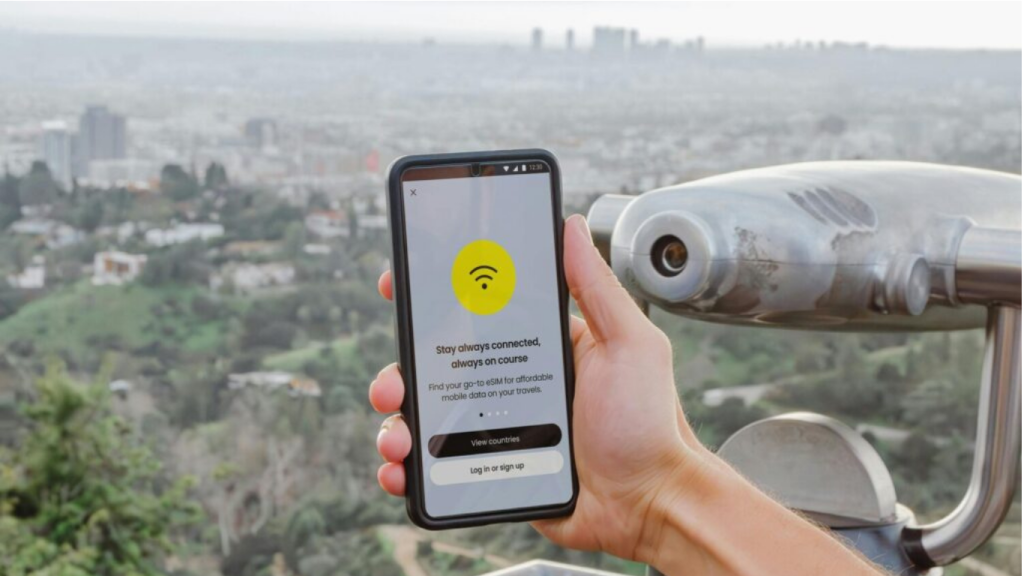
Travelers used to land in a new country and immediately hunt for a local SIM card. That process often involved small pins, language barriers, and long waits at airport kiosks. Now, a digital alternative called an eSIM has changed the game for frequent flyers and vacationers alike.
This embedded chip lives inside a modern phone and connects to local networks without a physical card. The choice of provider, however, can make or break the travel experience. This guide walks through the key factors a person should consider before picking a travel eSIM provider.
Coverage and Network Partners Matter Most
A travel eSIM is only as good as the local towers it uses. Different providers sign deals with different local carriers in each country. One provider might offer excellent coverage in city centers but poor service in rural areas. Another might work well in France but fail completely in a neighboring country.
Travelers should look for a provider that lists its local network partners openly on its website. A person can then cross-reference those names with independent coverage maps available online. This extra step takes five minutes but saves hours of frustration later. Good coverage in the specific destinations on a trip becomes the real measure of value.
Data Plans and Validity Periods Require Careful Comparison
Providers package their data in very different ways, so a low price does not always mean a good deal. Some offer a set amount of high-speed data, after which the connection slows to a crawl. Others provide unlimited data but cap the hotspot or tethering function. A traveler should look closely at the validity period for each plan.
A seven-day plan that costs ten dollars might seem cheap, but a fourteen-day plan for fifteen dollars offers better value for a longer trip. Many providers also let a person top up data from a mobile app without buying a new plan. Reading the fine print on data speeds and renewal options prevents unexpected charges or slow service on a busy travel day.
Ease of Installation and Setup Saves Time on the Go
The installation process for an eSIM can be quick or painfully complex, depending on the provider. Most reputable providers send a QR code by email after purchase. A traveler scans this code with a phone camera, follows two or three prompts, and the eSIM installs automatically. Some providers require a manual entry of activation codes, which leaves room for typing errors.
Others offer a dedicated mobile app that handles the installation with one tap. A person should test the installation before leaving home if possible. That way, any issues get solved with a home internet connection instead of airport Wi Fi. An easy setup turns a potential stress point into a smooth start to any trip.
Customer Support Availability Differs Widely Between Providers
Technical problems with an eSIM do not follow a nine-to-five schedule. A connection might fail at midnight in a foreign airport or on a Sunday afternoon in a remote town. Some providers offer 24-hour live chat support with real people who solve issues in minutes. Others rely on email tickets that take twelve to twenty-four hours for a reply.
A traveler should check the support hours and response time promises before buying. Reading recent user reviews on tech forums or app stores gives a clear picture of a provider’s real-world support quality. A provider with fast, helpful support costs more sometimes, but that difference pays off during an actual emergency. Good support turns a bad situation into a minor inconvenience.
Price Transparency and Hidden Fees Need a Close Look
The advertised price of an eSIM plan does not always match the final checkout total. Some providers add taxes or service fees at the last step of purchase. Others offer a low base price but charge extra for features like hotspot use or caller ID. A careful shopper should reach the payment page to see the full cost before making a decision.
Another hidden cost involves the recharge or top-up process. Some providers let a person add more data for a fair price. Others require buying a whole new plan at full cost just to add one gigabyte. Comparison shopping across three or four providers usually reveals these differences.
Choosing the right travel eSIM provider comes down to matching a provider’s strengths to a specific trip. Taking thirty minutes to compare a few providers on these six factors saves hours of troubleshooting later. With a little homework, any traveler can land in a new country, turn on their phone, and get connected within seconds.