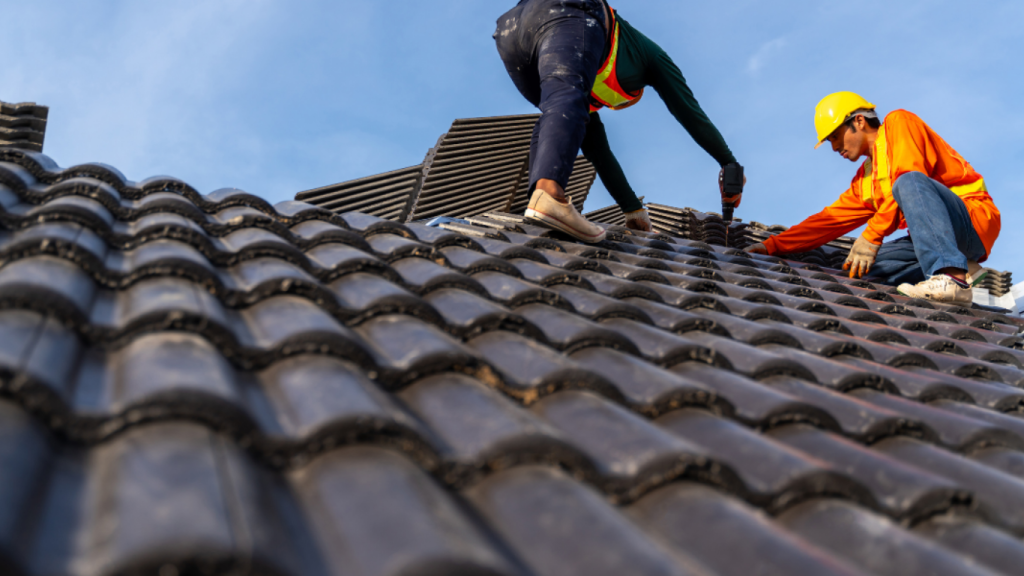
Your roof is vital for protecting your home, but even durable materials can face issues over time. Small problems, if ignored, can lead to expensive repairs. This guide covers common roofing problems, their causes, and tips for fixing them—helping you decide when to DIY or call a professional.
Why Roof Maintenance Matters
Your roof is the first line of defense against the elements. A well-maintained roof keeps your home safe from water damage, mold, and other costly issues. The longer you wait to address roofing problems, the more expensive and extensive the damage can become.
Regular inspections and timely repairs can save you money, ensure your roof lasts longer, and help maintain the overall value of your home.
Common Roofing Problems
1. Leaks and Water Damage
Symptoms: Water stains on ceilings or walls, damp areas in the attic, and visible water dripping during rainstorms.
Causes:
- Cracked or missing shingles
- Damaged flashing around chimneys, skylights, or vents
- Poor roof installation or aging materials
Solutions:
For small leaks, carefully inspect your roof for the source of the problem. Replace damaged shingles and reseal flashing with roofing caulk. For larger leaks, it’s best to hire a roofing professional to inspect and repair the area thoroughly.
Preventative Tip: Schedule regular roof inspections, especially before and after severe weather events.
2. Missing or Damaged Shingles
Symptoms: Bald patches on the roof, curled or cracked shingles, or shingles scattered on the ground.
Causes:
- Strong winds or storms
- Sun exposure causing shingle deterioration over time
- Poor-quality materials
Solutions:
Replace missing or damaged shingles promptly to prevent further damage. If you’re dealing with widespread shingle issues, it might be time for a roof replacement or partial reroofing.
Preventative Tip: Invest in high-quality, weather-resistant shingles for durability.
3. Clogged Gutters
Symptoms: Overflowing water during rain, sagging or detached gutters, or water pooling around the home’s foundation.
Causes:
- Debris like leaves, sticks, and dirt accumulating in the gutters
- Lack of regular gutter maintenance
Solutions:
Clear gutters at least twice a year to prevent clogs. Use a gutter guard system to minimize debris buildup, or consider hiring professionals for deep cleaning if necessary.
Preventative Tip: Pay extra attention to gutters during fall and after storms.
4. Damaged Flashing
Symptoms: Water stains near chimneys, skylights, or vents and visible gaps or loose flashing materials.
Causes:
- Poor installation
- Age-related wear and tear
- Harsh weather conditions causing shifting or cracking
Solutions:
Replace or reseal damaged flashing. Use high-quality roofing cement or hire a professional to ensure a watertight seal.
Preventative Tip: Always have a professional inspect flashing during annual maintenance.
5. Ice Dams
Symptoms: Icicles hanging from the edge of your roof, melted snow refreezing along the eaves, or water leaking into your attic.
Causes:
- Poor attic insulation and ventilation causing uneven roof temperatures
- Snow melting and refreezing along the roof’s edge
Solutions:
Carefully remove snow from your roof using a roof rake. Address insulation and ventilation issues in your attic to regulate roof temperatures and prevent ice dam formation.
Preventative Tip: Install heated cables along the roof’s edge to prevent ice dams in colder climates.
6. Sagging Roof
Symptoms: A visibly drooping roofline or noticeable dips in your ceiling.
Causes:
- Excess weight from snow, ice, or water accumulation
- Undersized or damaged roof supports
- Aging or poorly maintained roof structure
Solutions:
Ensure proper drainage to prevent water buildup, and reinforce roof supports if necessary. For severe cases, consult a structural engineer or roofing expert for a professional assessment.
Preventative Tip: Regularly clear snow or debris from your roof and ensure that it’s properly ventilated to avoid unnecessary loads.
7. Mold and Algae Growth
Symptoms: Dark streaks, green patches, or foul odors from the roof area.
Causes:
- Excess moisture due to poor ventilation
- Shaded areas that remain damp
- Aging shingles losing their algae-resistant properties
Solutions:
Clean the affected area with a mixture of water, bleach, and detergent. Be gentle to avoid damaging shingles. Consider zinc or copper strips to prevent future algae growth.
Preventative Tip: Improve roof ventilation and trim tree branches near the roof to allow sunlight and air circulation.
When to Call a Professional
While some roofing issues can be fixed with DIY solutions, others require the expertise of a professional roofer. If you notice widespread damage, significant leaks, or structural concerns in metal roofing such as those in Michigan, don’t delay seeking professional help. A licensed roofer can assess the situation, recommend solutions, and ensure the job is done safely and effectively.
Extend Your Roof’s Lifespan
Taking steps to prevent common roofing problems can add years to your roof’s life and save you thousands in repairs. Here’s how to keep your roof in top shape year-round:
- Schedule regular roof inspections (twice a year is ideal).
- Address small issues like missing shingles or minor leaks immediately.
- Keep your gutters clean to prevent water damage.
- Invest in quality materials and proper installation when it’s time for a replacement.
Conclusion
Your roof works hard to protect your home and loved ones, so it’s essential to return the favor with proper care and maintenance. By understanding how to identify and fix common roofing problems, you can avoid costly repairs and keep your home safe and secure.