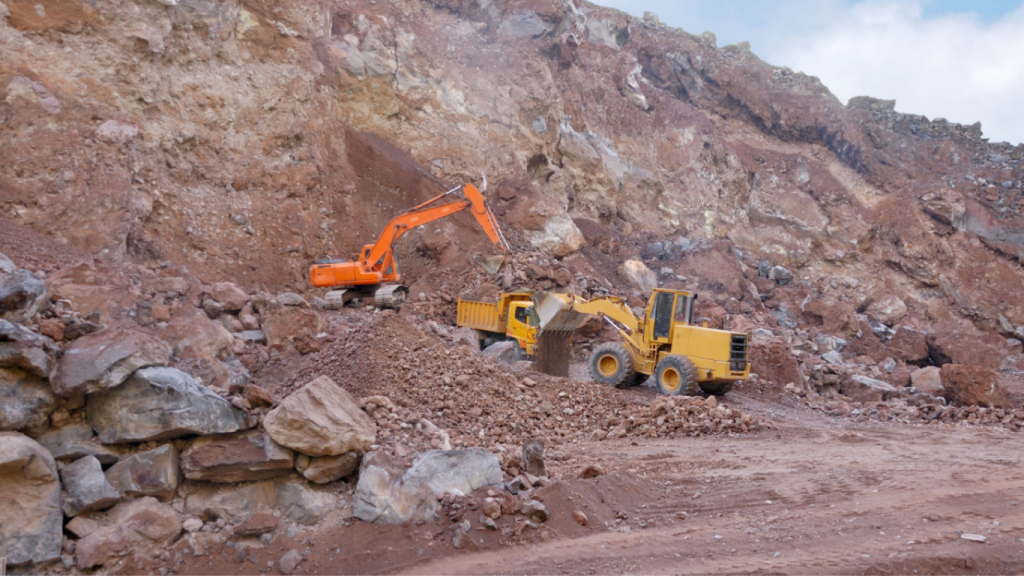
Mining operations are vital to global industries, providing essential resources for manufacturing, construction, and energy production. However, with rising operational costs, environmental concerns, and fluctuating commodity prices, mining companies must prioritize efficiency to remain profitable and sustainable. By implementing smart strategies, leveraging technology, and optimizing processes, mining operations can boost productivity while reducing waste and costs.
In this blog post, we’ll explore key strategies for maximizing mining efficiency, from adopting automation to enhancing workforce training.
1. Embracing Automation and Digital Technologies
Automation and digital transformation are revolutionizing the mining industry. By integrating artificial intelligence (AI), machine learning, and real-time monitoring systems, companies can optimize their operations and reduce inefficiencies.
- Automated Equipment: Self-driving haul trucks and robotic drilling systems enhance precision, reduce downtime, and minimize human error.
- Predictive Maintenance: AI-powered sensors monitor equipment conditions and predict failures before they happen, preventing costly breakdowns.
- Digital Twin Technology: Virtual models of mining operations help optimize decision-making by simulating different scenarios before implementation.
By embracing automation, mining companies can increase safety, reduce labor costs, and improve overall productivity.
2. Optimizing Drilling and Blasting Techniques
Drilling and blasting are critical components of the mining process. Inefficient blasting can lead to excessive rock fragmentation, increased waste, and higher energy consumption. To maximize efficiency:
- Use precision blasting techniques to minimize overbreak and reduce the amount of material requiring secondary handling.
- Implement high-accuracy GPS and laser-guided drilling systems to enhance drilling precision.
- Utilize advanced explosives and blast optimization software to ensure optimal fragmentation and reduce energy-intensive crushing and grinding.
Improving drilling and blasting techniques leads to better ore recovery, reduced waste, and lower operational costs.
3. Enhancing Energy Efficiency
Mining is an energy-intensive industry, and reducing energy consumption directly impacts efficiency and cost savings. Strategies to enhance energy efficiency include:
- Switching to renewable energy sources such as solar or wind power to reduce dependency on fossil fuels.
- Implementing energy-efficient equipment, such as high-efficiency conveyor belts and low-power lighting systems.
- Upgrading grinding and milling processes to reduce energy consumption in ore processing.
By focusing on energy efficiency, mining companies can reduce operational costs and lower their environmental footprint.
4. Improving Material Handling and Logistics
Efficient material handling ensures that mined resources move smoothly through the supply chain. Poor logistics management can lead to delays, unnecessary handling, and increased costs. Key strategies to improve material handling include:
- Utilizing railcar dumpers enable the rapid and efficient unloading of bulk materials, reducing reliance on manual handling. Additionally, conveyor belt systems provide a more cost-effective and energy-efficient alternative to trucks for long-distance material transport.
- Implementing real-time tracking and inventory management systems to optimize supply chain operations.
- Reducing waste by enhancing sorting and processing techniques to separate valuable minerals from unwanted materials efficiently.
A well-optimized logistics system minimizes bottlenecks and improves overall operational flow.
5. Workforce Training and Safety Optimization
A well-trained workforce is essential for mining efficiency. When workers understand best practices and safety protocols, they can operate machinery effectively and minimize downtime. Key initiatives include:
- Providing regular training sessions on equipment operation, safety procedures, and efficiency techniques.
- Implementing wearable safety technology, such as smart helmets with real-time health monitoring, to reduce workplace injuries.
- Encouraging a culture of safety and continuous improvement to boost productivity and reduce accidents.
Investing in workforce development leads to improved efficiency, fewer errors, and enhanced workplace safety.
6. Sustainable Water and Waste Management
Water usage and waste disposal are major concerns in mining operations. Efficient water management strategies help reduce waste and operational costs while improving sustainability. Key practices include:
- Implementing closed-loop water recycling systems to minimize water consumption.
- Using tailings management solutions to safely store and repurpose mining waste.
- Applying dry processing techniques to reduce the need for water-intensive ore processing.
Sustainable water and waste management not only improve efficiency but also enhance a mining company’s reputation and regulatory compliance.
Final Thoughts
Maximizing mining efficiency requires a combination of technology, smart resource management, and workforce optimization. By embracing automation, improving drilling techniques, enhancing energy efficiency, streamlining material handling, prioritizing safety, and managing water use effectively, mining companies can increase productivity while reducing costs and environmental impact.
The future of mining lies in continuous innovation and adaptation. Companies that adopt these efficiency strategies will remain competitive and profitable in an evolving industry.