It all started on a sunny afternoon when I attended a small local music festival. The vibe, the crowd, the energy—it was something I’d never experienced before. I remember standing there, watching the crowd sing along with the band, and thinking, I want to create this. But I quickly realized that the road to starting a music festival wasn’t as simple as booking a venue and calling some bands. There was a lot more to it than I had imagined.
In this article, I’ll walk you through my journey of starting my music festival business, the challenges I faced, the lessons I learned, and what I would have done differently. I hope this can help you avoid some of the obstacles I hit along the way and give you the confidence to launch your own event.
The Spark that Started It All
The idea of starting a music festival didn’t spring up overnight. It came from a genuine love for live music and the sense of community it brings. I wanted to offer people the opportunity to experience music uniquely, something that wasn’t just another concert but an event people would remember. That moment at the festival changed my mindset—I decided to go for it.
But turning that spark into reality was no easy task. I quickly realized that organizing a music festival is a massive undertaking that requires a clear plan, tons of preparation, and, most importantly, patience.
The Challenges I Faced

1: Funding
One of the biggest hurdles I faced was securing the necessary funding. Music festivals are expensive. You need to book a venue, pay for permits, hire staff, promote the event, and much more. My first attempt at fundraising didn’t go as planned. I relied heavily on personal savings and underestimated the costs involved. To raise additional funds, I turned to crowdfunding and pitched the festival idea to potential investors. This was a major turning point—once I had the funds in place, things started to move forward.
2: Booking Artists
Securing the right talent is critical. I learned this the hard way. In the beginning, I reached out to artists without a clear plan for how to manage negotiations. My early contracts weren’t as clear as they should have been, which caused confusion about performance times and payments. Over time, I built a stronger network of agents and artists and learned how to negotiate better deals. The right talent can make or break a festival, so I suggest starting your outreach early and being clear about expectations from the beginning.
3: Obtaining Permits
In the early stages, I underestimated how long the permit process could take. It was frustrating to realize that securing the proper permits for things like alcohol sales, food vendors, and even the event space itself could take months. Don’t wait until the last minute to apply for permits. It’s better to overestimate the time needed, so you’re not left scrambling at the final hour.
Lessons I Learned Along the Way
Through trial and error, I picked up a few key lessons that helped me navigate the rough patches:
1: Start with a Strong Business Plan
Having a clear business plan early on is crucial. This includes budgeting, defining your target audience, and laying out a strategy for funding and marketing. My first year was full of surprises because I hadn’t prepared enough in these areas. A strong business plan will give you direction and ensure you’re not spending blindly.
2: Build Relationships with Vendors and Sponsors
One of the most valuable lessons I learned was the importance of building strong, trustworthy relationships with vendors and sponsors. It’s not just about getting money—it’s about finding partners who believe in your vision. The better your relationship with them, the easier it will be to handle logistical issues when they arise.
3:Plan for the Worst-Case Scenario
Expect the unexpected. Despite my best efforts, there were moments when things went wrong—weather delays, last-minute cancellations, and even technical glitches. It was stressful, but the key was to have contingency plans in place. Having a solid backup plan for weather or emergencies can save your festival.
4: Don’t Be Afraid to Ask for Help
You can’t do it all yourself. From hiring the right team to seeking legal advice, there are areas where you’ll need expert help. I tried to take on too much myself in the beginning, and it only slowed me down. Surround yourself with people who can handle different aspects of the festival, so you can focus on the bigger picture.
The Highs and the Moment That Made It All Worth It
The first time I saw the festival come to life was indescribable. From the setup to the crowd enjoying the performances, everything felt like a dream come true. Watching people have fun, dance, and bond over music was the moment that made all the hard work worth it. It felt incredible to see the result of months of planning and setbacks come together in such a meaningful way.
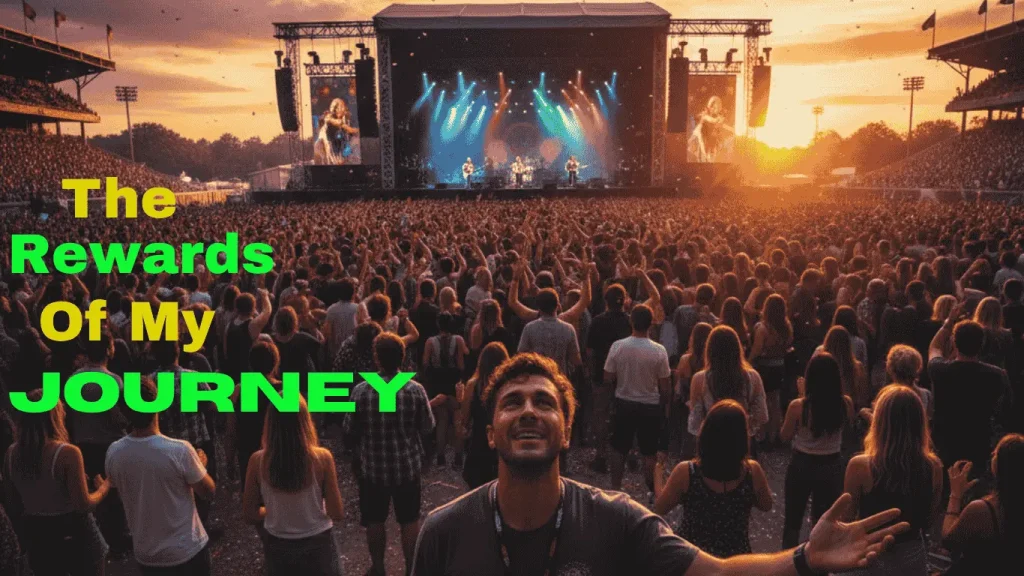
That’s the thing about starting a music festival: it’s challenging, exhausting, and sometimes even discouraging. But the payoff is in the experience—seeing your vision come alive and creating a space for people to enjoy music, community, and memories.
Actionable Advice for Aspiring Festival Organizers
If you’re ready to start your own music festival, here are some steps I’d suggest:
- Know Your Audience : Understand who you’re planning your festival for. What type of music do they like? What kind of experience do they expect? Tailor your festival to meet their needs.
- Start Small : Don’t try to create a massive event right out of the gate. Start small with a one-day event or a weekend festival. It’s easier to scale up once you’ve built a strong foundation.
- Get Your Funding in Place: Know your budget before booking talent or securing a venue. Seek investors, sponsors, or crowdfunding early to avoid scrambling later.
- Focus on Logistics: Plan every detail, from the layout of the festival grounds to security and emergency plans. This is often where things can go wrong, so it’s essential to cover all your bases.
- Promote Early and Often: Use social media, local advertising, and influencer marketing to get the word out. The earlier you start promoting, the more buzz you can generate.
- Evaluate After the Event: Take time to assess what worked and what didn’t. Feedback from attendees, vendors, and staff will help you improve for next time.
Conclusion
Starting a music festival business is no easy feat. From funding to booking talent and dealing with permits, it takes hard work, patience, and a willingness to learn from mistakes. But when you see your festival come to life, the feeling of accomplishment is unmatched. If you’re passionate about music and creating a community experience, I highly encourage you to pursue it. Just remember to be prepared for the ups and downs along the way.
Frequently Asked Questions ( FAQs)
1. How much money do I need to start a music festival?
Costs can range from a few thousand dollars for a small event to millions for a large-scale festival. Start small and build up as you gain experience.
2. How do I secure funding for my festival?
You can seek funding through personal savings, loans, investors, crowdfunding, or sponsorships. A solid business plan will help attract potential funders.
3. How do I book artists for my music festival?
Reach out to booking agents or directly contact artists. Be clear about your budget and the exposure your festival offers.
4. What permits do I need to start a music festival?
You’ll need event permits, food and beverage licenses, alcohol permits (if applicable), and security/medical permits, depending on your location.
5. How do I manage festival security?
Hire a professional security team with experience in crowd management and emergency procedures. Plan for large crowds and ensure staff are well-trained.
6. What marketing strategies work best for promoting a music festival?
Use social media, email campaigns, local advertising, and influencer partnerships. Building anticipation early and keeping the buzz going is key to a successful event.