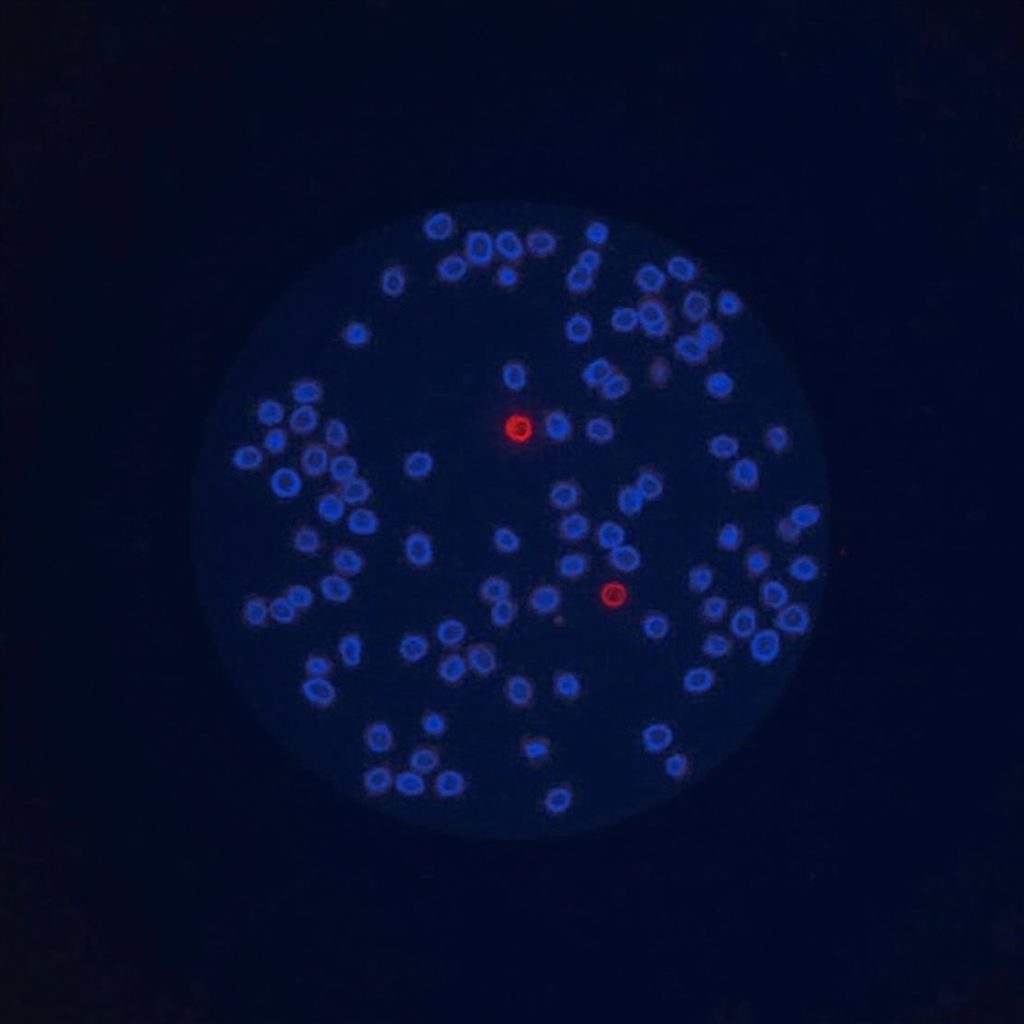
MDA-MB-231 cells are important for studying triple-negative breast cancer (TNBC). This type of breast cancer is hard to treat because it doesn’t respond to common medicines. These special cells help scientists learn about TNBC and find new ways to fight it. Let’s explore how MDA-MB-231 cells are making a big difference in cancer research.
Key Points: MDA-MB-231 Cells
- Come from a 51-year-old woman with breast cancer that spread
- Triple-negative: don’t have estrogen, progesterone, or HER2 receptors
- Very aggressive and invasive
- Used to study triple-negative breast cancer
- Help test new cancer drugs
- Show how cancer grows and spreads
- Used to understand why some treatments don’t work
- Important for creating new cancer treatments
- Act like real TNBC in the body
What Are MDA-MB-231 Cells?
MDA-MB-231 cells are cancer cells from a woman who had breast cancer that spread to other parts of her body. These cells are triple-negative, which means they don’t have three things that many breast cancers have. This makes them hard to treat but very useful for research.
Scientists use these cells because they act like real TNBC in the body. They grow fast and can spread easily, just like the cancer does in people. This helps researchers test new ways to fight TNBC.
How MDA-MB-231 Cells Help in Breast Cancer Research
MDA-MB-231 cells are like tiny helpers in the lab. They show scientists:
1. How Cancer Grows and Spreads
These cells help researchers see how TNBC tumors get bigger and move to other body parts. By watching MDA-MB-231 cells, scientists can understand why TNBC is so aggressive.
2. Why Some Treatments Don’t Work
TNBC is tough to treat because it often doesn’t respond to chemotherapy. MDA-MB-231 cells help scientists figure out why this happens and how to make treatments work better.
3. New Ways to Treat Cancer
Because these cells are so similar to real TNBC, they’re great for testing new medicines. Researchers can try different drugs on MDA-MB-231 cells to see what might help patients.
4. How Cancer Moves to Other Parts of the Body
TNBC often spreads to the lungs, bones, and brain. Scientists use MDA-MB-231 cells to study how this happens and find ways to stop it.
Why Triple-Negative Breast Cancer Is Hard to Treat
TNBC is tough for doctors and patients. Here’s why:
No Easy Targets
Most breast cancers have special spots that medicines can attack. TNBC doesn’t have these, so common breast cancer treatments don’t work well.
It Often Comes Back
TNBC is more likely to return after treatment and spread to other parts of the body. This makes it scary for patients and challenging for doctors.
Few Treatment Choices
Right now, chemotherapy is the main way to treat TNBC. But scientists are working on new ideas to give patients more options.
Challenges in Treating Triple-Negative Breast Cancer
Lack of targeted therapies
Aggressive nature
High recurrence rate
Metastatic potential
Limited treatment options
How MDA-MB-231 Cells Help Make New Medicines
MDA-MB-231 cells are like tiny test subjects for new cancer treatments. Here’s how they help:
Testing New Medicines
Scientists can try out lots of new compounds on these cells to see which ones might kill cancer cells without hurting healthy ones.
Making Immune Treatments Better
These cells help researchers figure out how to make the body’s immune system better at fighting TNBC.
Trying Different Treatment Combinations
Sometimes, using more than one treatment works better than just one. MDA-MB-231 cells let scientists test different combinations to find the best mix.
Changing Genes to Learn More
With new tools, researchers can change the genes in MDA-MB-231 cells. This helps them understand which genes are important in TNBC and find new ways to stop the cancer.
Looking to the Future of TNBC Research
MDA-MB-231 cells are really important for fighting triple-negative breast cancer. They help scientists understand how this tough cancer works and test new ways to beat it. While there’s still a lot to learn, these cells are leading the way to better treatments and hope for patients.
As research continues, MDA-MB-231 cells will keep playing a big role in labs around the world. They’re helping unlock the secrets of TNBC, one experiment at a time. For anyone interested in cancer research or wanting to help fight breast cancer, understanding these cells is a great place to start.
Want to learn more about MDA-MB-231 cells and how they’re used in research? Check out the detailed information and resources available at Cytion’s MDA-MB-231 cell line page. Whether you’re a student, researcher, or just curious about cancer science, there’s always more to discover in the world of cell biology and cancer research.